
10 years of telling the story of the organized resistance of the Dalmatian people
Victory Museum and Liberation of Dalmatia in the Second World War
I. HISTORY OF FOUNDED (2016)
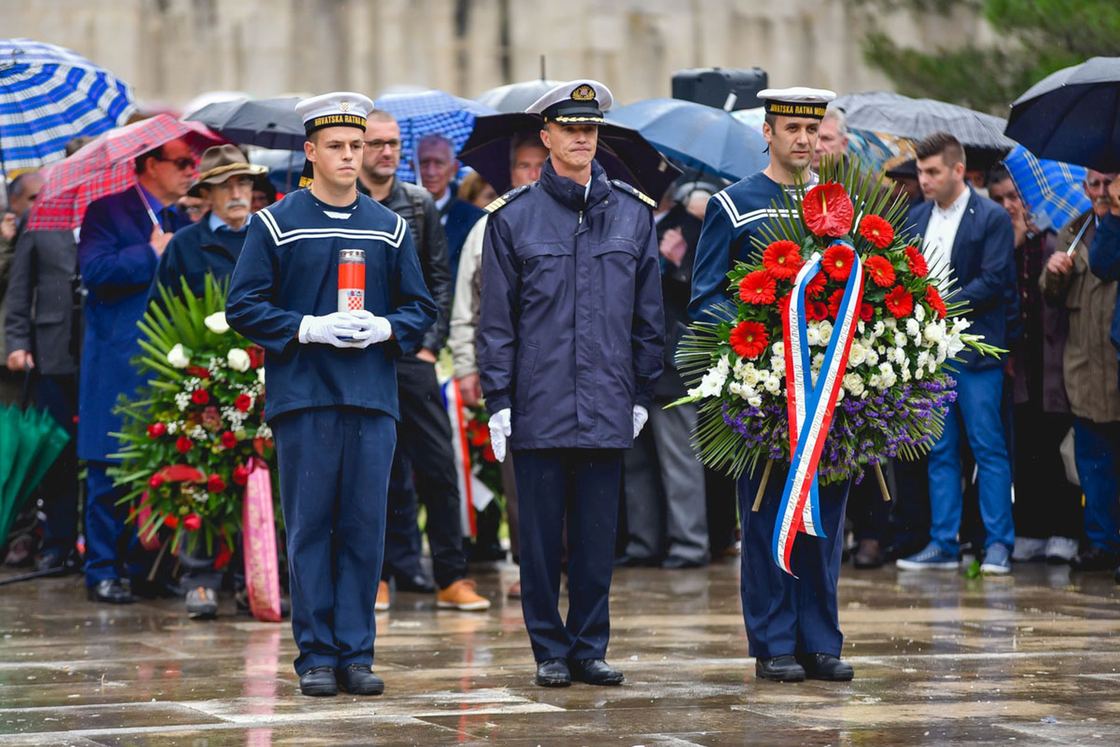
On Saturday, November 5, 2016, in the heart of Šibenik, on the ground floor of a palace at Fra Nikole Ružića 1, the Victory Museum and Liberation of Dalmatia in the Second World War was solemnly opened — the first and only such institution in all of Croatia. Around a thousand anti-fascists from Dalmatia and all of Croatia attended the opening.
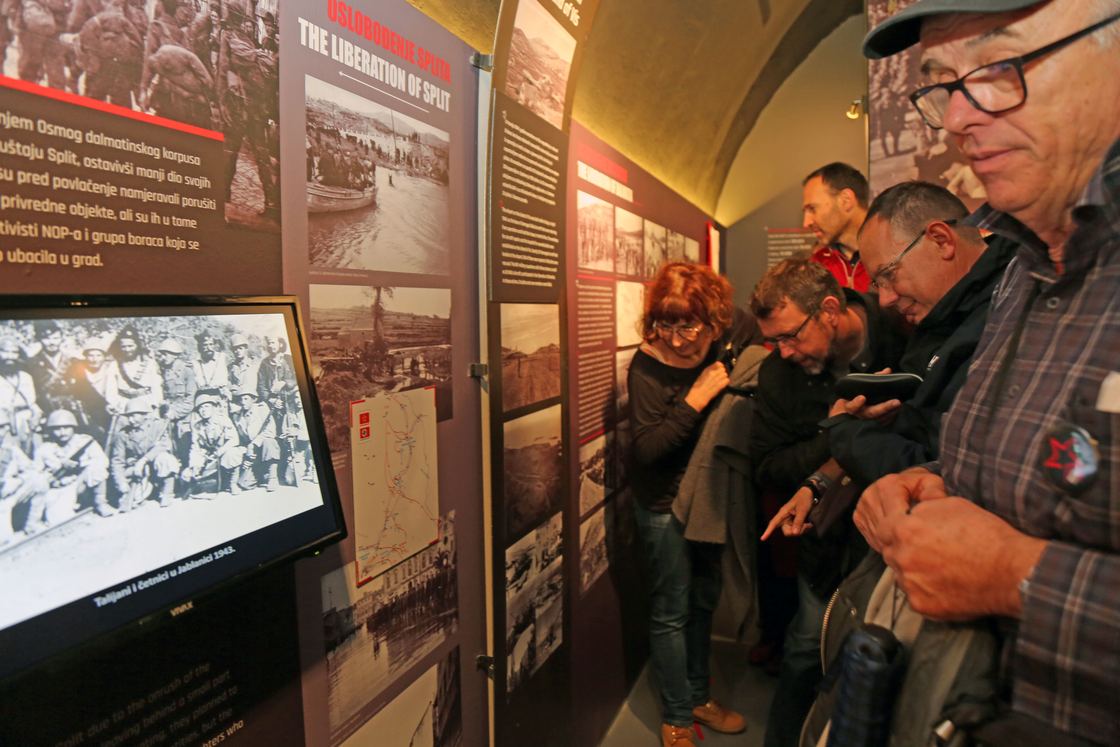
This is a multimedia space with a permanent exhibition and a multimedia hall, where both younger and older generations will be able to witness the liberation of Šibenik and Dalmatia in an attractive way.
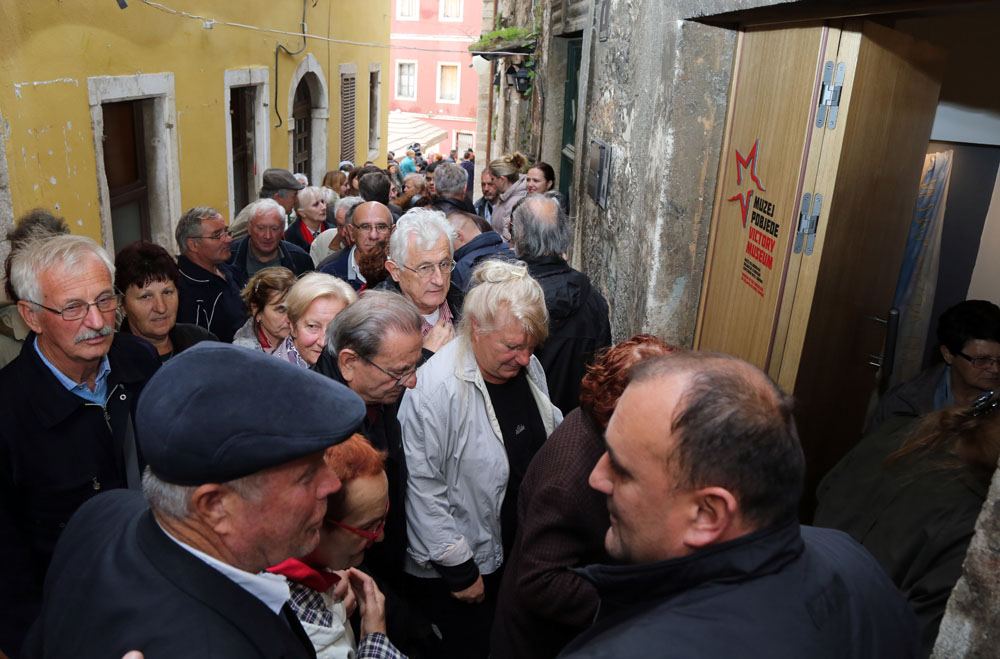
More photographs from the opening on the Victory Museum Facebook page:
https://www.facebook.com/p/Muzej-pobjede_%C5%A0ibenik-100066328636166/
Opening: November 5, 2016
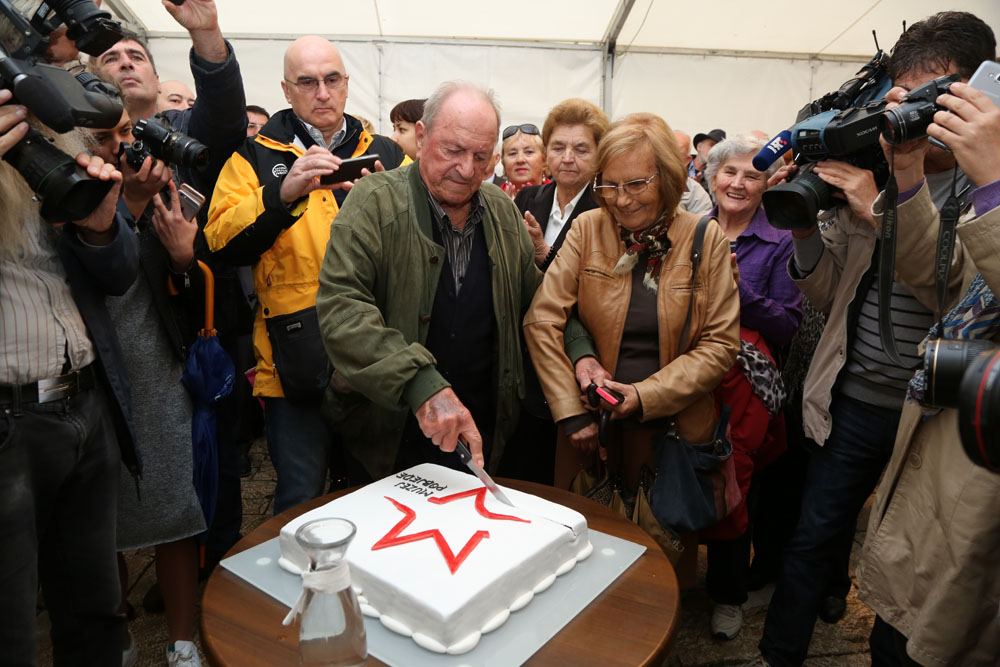
The museum was solemnly opened by 89-year-old Vinko Guberina, one of the oldest Šibenik partisans who went to fight at just 16 and a half years old. Guberina went to the partisans at 16.5 years old and fought in the Šibenik area, which was very important for the freedom of Dalmatia.
I am proud and happy to have witnessed this. I fought in the Šibenik area which was very important for the freedom of Dalmatia.
Mayor Željko Burić and the City of Šibenik's support
Mayor Dr. Željko Burić (HDZ) was also present at the opening, boasting that the city administration helped the anti-fascists with the museum project. The entire project was made in cooperation with the city and the anti-fascists, as we exchanged spaces. The museum is an addition to our story about tourism. Let's connect the fight for the state, for independence, for the right to manage our own destiny, with the Homeland War. This is continuity.
Zoran Restović
Zoran Restović, President of the Union of Associations of Anti-fascist Fighters and Anti-fascists of Šibenik-Knin County, reminded how Ante Pavelić sold Dalmatia to Fascist Italy through the Roman treaties, and how the Supreme Staff, led by Supreme Commander Josip Broz Tito, decided that Dalmatia should be liberated and returned to the motherland.
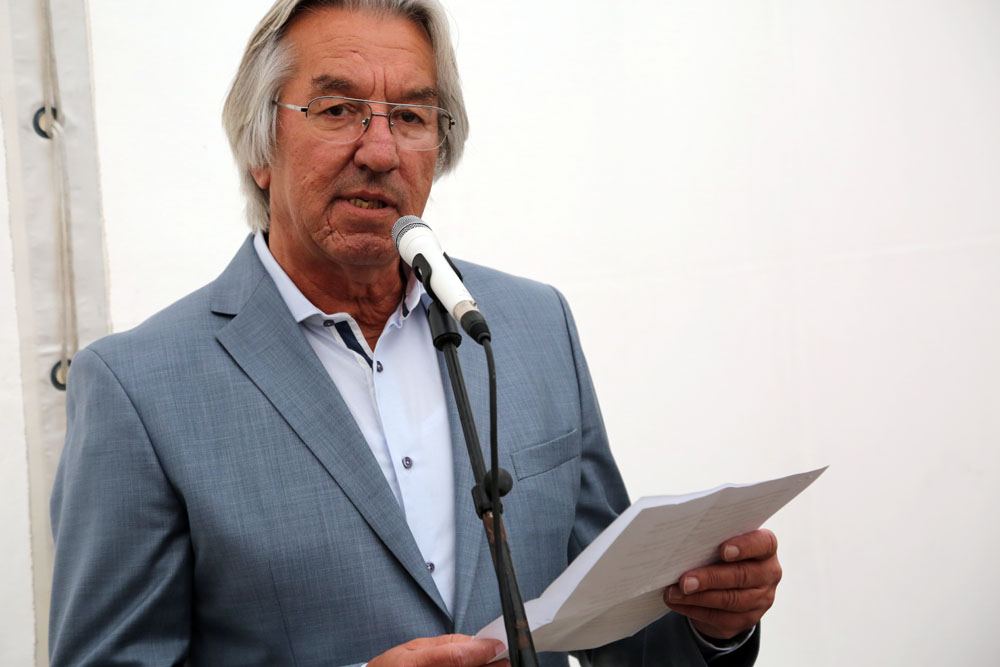
Of that magnificent victory which surpasses all historical truths, we decided to create a memorial room, a victory museum, a museum of the liberation of Dalmatia in the Second World War. We wanted a display that can inform young generations, tourists, foreigners, intended and unintended passers-by, who can tell a part of the heroism of the Dalmatian people.
II. MUSEUM DEVELOPMENT (2017-2026)
Since the 2016 opening, the museum has attracted thousands of visitors from Croatia and abroad. Media coverage includes local (ŠibenikIN, TRIS, NACIONAL.HR), national (HINA, Vecernji, Jutarnji) and regional media.
Visitor statistics
Thousands of visitors each year, school groups, students, researchers and tourists. Visitors leave comment books full of words of thanks and admiration. The museum has become an important tourist destination in the historic center of Šibenik.
Media coverage of 10 years
The 10th anniversary is marked by a large program: more than a hundred guests, two book presentations, a round table and a visit to the permanent exhibitions. The program is free and open to the public, with mandatory advance booking due to the large number of guests.
III. PERSONAL STORIES
Vinko Guberina (1930-2026) - Partisan at 16 and a half
One of the oldest Šibenik partisans who went to fight at just 16 and a half years old. Guberina fought in the Šibenik area which was very important for the freedom of Dalmatia. He was one of the oldest participants in the museum opening in 2016.
Željko Burić - Mayor and project supporter
Mayor Željko Burić (HDZ) acknowledged that the City of Šibenik participated in the museum project by exchanging spaces. Burić emphasized the continuity of struggles: from the National Liberation War to the Homeland War, from fascism to nationalism. The museum is an addition to Šibenik's tourism story.
Zoran Restović - President of ZUABA ŠKŽ
Zoran Restović, President of the Union of Associations of Anti-fascist Fighters and Anti-fascists of Šibenik-Knin County, was a key figure in the founding of the museum. Restović emphasized the need to remember history and warn against the return of fascism.
Photos from the 2016 opening
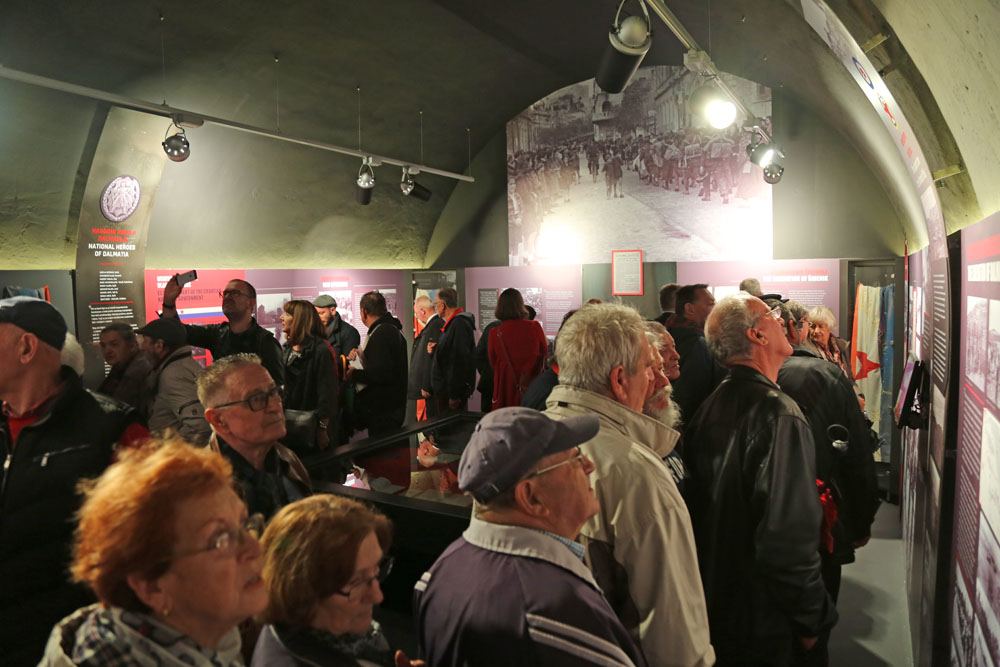
More photographs on the Victory Museum Facebook page:
https://www.facebook.com/p/Muzej-pobjede_%C5%A0ibenik-100066328636166/
IV. MUSEUM SPACE
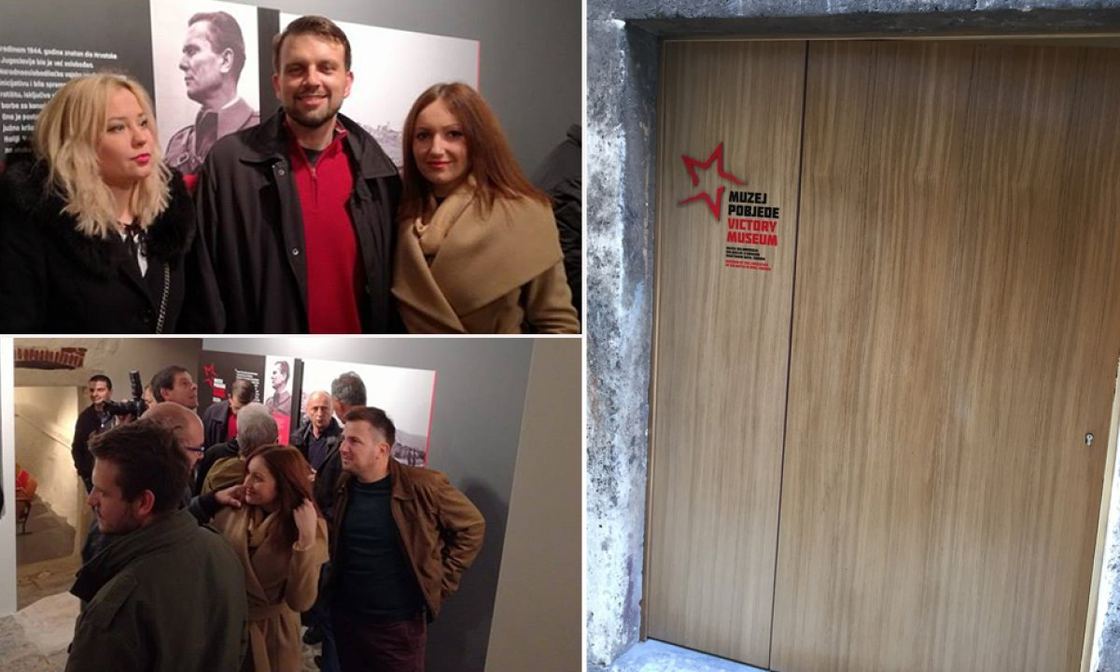
The museum is on the ground floor of a palace at Fra Nikole Ružića 1, in the historic core of Šibenik. The space is multimedia with a permanent exhibition and a multimedia hall. The museum has no budget for permanent staff, so it is maintained by volunteers. That is why it is open roughly every other day.
Permanent exhibition
The story of the uprising of the Dalmatian people and the victory in the Second World War. The multimedia space allows for an attractive testimony to the liberation of Šibenik and Dalmatia. Visiting the exhibition takes about 20 to 25 minutes.
V. JOINT ACTIVITIES
The museum cooperates with the City of Šibenik, ZUABA and other anti-fascist organizations. Programs are free and open to the public. Advance bookings are mandatory due to the expected arrival of more than a hundred guests.
10th anniversary: November 3, 2026
Large program to mark the 10th anniversary: more than a hundred guests, two book presentations, a round table and a visit to the permanent exhibitions. The program begins with a visit and continues in the multimedia hall in the former cistern.
VI. ACCESSIBILITY AND TRANSPORT
The museum is on the ground floor, without steps, with an accessible WC. You reach the palace through historic streets. If you need help getting here, contact us before your visit. Tel: +385 99 8663 905
CONCLUSION
The Victory Museum and Liberation of Dalmatia in the Second World War is more than a museum — it is memory, it is struggle, it is continuity. Ten years after its opening, the museum continues to tell the story of the organized resistance of the Dalmatian people. Thank you for coming.